Hypertension Is A Lifestyle - Condition - Drugs Alone Can't Fix It
 |
Hypertension Indicators |
Hypertension, commonly known as high blood pressure, is a condition characterized by persistently elevated levels of blood pressure in the arteries. It occurs when the force exerted by circulating blood against artery walls remains consistently too high, potentially leading to severe health complications over time. Clinically, hypertension is typically diagnosed when blood pressure readings consistently exceed 130/80 mmHg.
Chronic untreated hypertension can contribute to the deterioration of vascular health, precipitating cardiovascular disorders such as myocardial infarction, stroke, heart failure, and chronic kidney disease. It may arise idiopathically as primary hypertension or be secondary to other conditions such as renal pathology or endocrine disorders.
Risk factors include age, obesity, sedentary lifestyle, dietary habits high in sodium and low in potassium, excessive alcohol consumption, and familial predisposition.
Management strategies comprise lifestyle modifications like dietary adjustments and physical activity enhancements alongside pharmacological interventions that target underlying pathophysiological mechanisms to achieve normotensive.
 |
Symptoms of Hypertension |
Key Symptoms of Severe Hypertension
- Severe Headaches: Often described as throbbing or intense, frequently occurring in the morning.
- Chest Pain: Pain, pressure, or discomfort in the chest.
- Vision Changes: Blurred vision, double vision, or sudden vision loss.
- Shortness of Breath: Difficulty breathing or feeling winded easily.
- Nosebleeds: Frequent or persistent nosebleeds.
- Dizziness or Lightheadedness: Frequent feelings of instability.
- Heart Palpitations: A feeling that the heart is racing or pounding in the chest, neck, or ears.
- Nausea and Vomiting: Severe nausea or vomiting.
- Confusion or Anxiety: Sudden confusion, mental changes, or severe anxiety.
- Facial Flushing/Warmth: Redness or a feeling of heat in the face.
- Blood in Urine (Hematuria): Can indicate kidney damage.
Recommendations:
Key Strategies to Lower Blood Pressure
- Dietary Changes: Follow the DASH (Dietary Approaches to Stop Hypertension) diet, which emphasizes fruits, vegetables, whole grains, and low-fat dairy. Reduce sodium (salt) intake significantly, as it directly impacts blood pressure. Increase potassium consumption through foods like bananas, potatoes, and spinach to counteract sodium.
- Physical Activity: Aim for at least 150 minutes of moderate-intensity aerobic activity (e.g., brisk walking, swimming, cycling) or 75 minutes of vigorous activity per week. Include strength training exercises at least 2 days a week.
- Weight Management: Losing even a small amount of weight if you are overweight can significantly lower blood pressure.
- Lifestyle Habits:
- Quit Smoking: Smoking raises blood pressure and increases heart attack/stroke risk.
- Limit Alcohol: Reduce consumption to moderate levels (max 2 drinks/day for men, 1 for women).
- Manage Stress: Practice relaxation techniques such as meditation, deep breathing, or yoga.
- Improve Sleep: Aim for 7 to 9 hours of quality sleep nightly.
Start With Improving your digestive health.
Improve the blood vessels
Reduce fat deposits in your organs
Get Sunlight.

Kidney Capsule - Men

Blueberry Probiotics

Omega 3 Fish Oil

Cordyceps Plus Capsule
Hypertension, a prevalent cardiovascular disorder characterized by consistently high blood pressure, can be effectively managed through integrative lifestyle modifications with a focus on digestive health and chlorophyll supplementation. A diet rich in fiber, probiotics, and prebiotics enhances gut microbiota balance, fostering improved metabolic function and weight management—key factors in reducing hypertension risk. Increasing the intake of fruits, vegetables, whole grains, and legumes not only supports digestive health but also supplies necessary nutrients that regulate blood pressure.

Chitosan Capsule
.jpg)
Green World Kuding Plus Tea
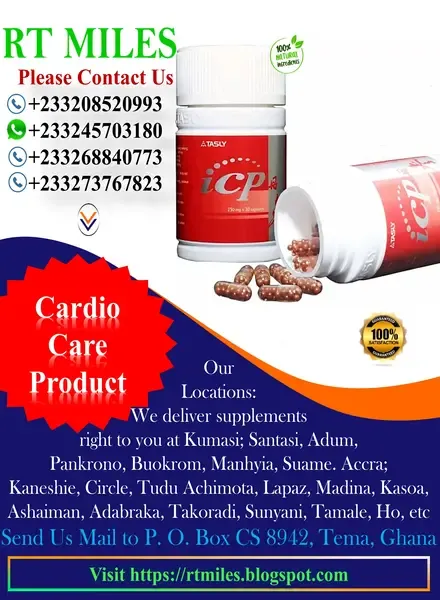
Tasly ICP Cardiotonic Pills

Green World In-Cleansing Tea
Incorporating chlorophyll-rich foods such as green leafy vegetables may further benefit hypertensive patients by providing potent antioxidants known to aid detoxification processes and reduce oxidative stress. Additionally, engaging in regular physical activity coupled with stress-reduction techniques like yoga or meditation is critical for sustained improvements in blood pressure levels. These holistic interventions under the guidance of healthcare professionals can significantly contribute to effective hypertension management while promoting overall wellness.

Green World Ishine Capsule

Edmark Shake Off - Splina

Green World Kidney Tonifying Capsule


.jpg)
.jpg)